





BPC-157 + TB-500 Blend
Synergistic Regenerative Complex for Angiogenesis & Cytoskeletal Research
Comprehensive Product Description
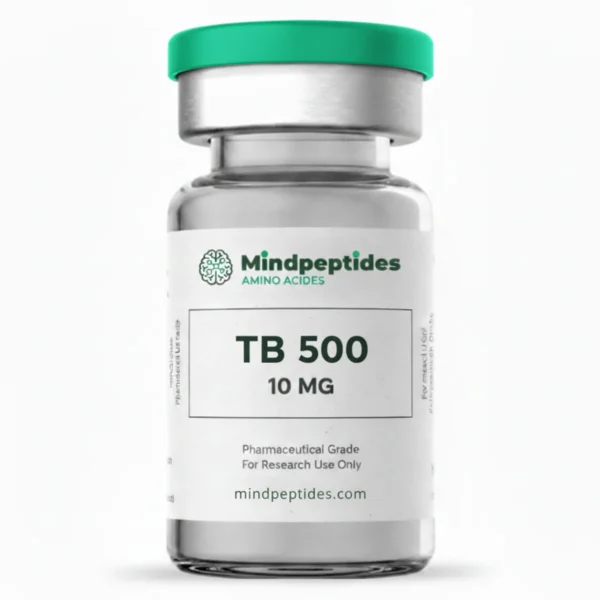
The BPC-157 + TB-500 Blend from mindpeptides represents a premier dual-action research formulation, integrating the potent angiogenic properties of the pentadecapeptide BPC-157 with the actin-sequestering capabilities of the Thymosin Beta-4 fragment (TB-500). This lyophilized reagent is engineered to facilitate investigation into high-complexity tissue repair mechanisms where simultaneous vascular recruitment and cellular migration are required variables. By co-formulating these peptides, mindpeptides provides researchers with a standardized solution to observe the synergistic effects of Nitric Oxide (NO) system modulation mediated by BPC-157 alongside the cytoskeletal reorganization driven by TB-500.
This blend effectively eliminates dosing variability in multi-agent protocols focused on musculoskeletal recovery and soft tissue regeneration. While BPC-157 primarily addresses the vascular and inflammatory phase of repair, TB-500 (synthetic thymosin beta-4 active fragment) is critical for cell motility and differentiation. The combination allows for the study of accelerated healing pathways, specifically looking at how enhanced blood flow synergizes with rapid cellular migration to close wounds and repair connective tissue matrices more efficiently than either peptide administered in isolation.
Mechanism of Action & Signaling Pathways
Angiogenic & Actin-Mediated Repair
BPC-157 functions primarily through the upregulation of Vascular Endothelial Growth Factor Receptor 2 (VEGFR2) expression and the modulation of the NO-cGMP pathway. This signaling cascade promotes rapid collateral vessel formation (angiogenesis) and protects endothelial integrity. Concurrently, TB-500 acts as a major actin-sequestering molecule.
TB-500 regulates the polymerization of actin filaments (F-actin), which is the rate-limiting step in cell motility. This upregulation of actin dynamics enhances the migration of keratinocytes and endothelial cells to the site of injury. Furthermore, the complex reduces inflammation via the down-regulation of pro-inflammatory cytokines and prevents apoptosis in hypoxic microenvironments, creating a favorable substrate for tissue remodeling.
Expanded Research Applications
- Musculoskeletal Injury Models: Investigation into the synergistic repair of tendon, ligament, and skeletal muscle fibers, specifically focusing on the alignment of collagen during the remodeling phase.
- Angiogenesis Assays: Evaluation of vascular density and endothelial survival in ex vivo explants, measuring the rate of collateral vessel formation under ischemic conditions.
- Cytoprotection Studies: Research into the reduction of oxidative stress and the acceleration of cellular migration rates in fibroblast cultures exposed to cytotoxic agents.
Laboratory Reconstitution Guidelines
mindpeptides supplies this blend as a sterile lyophilized powder which requires proper reconstitution prior to use in assays.
- Solvent: Bacteriostatic water or sterile 0.9% NaCl solution is recommended for optimal solubility.
- Procedure: Gently inject the solvent down the side of the vial. Do not shake vigorously. Allow the peptide to dissolve at room temperature or with gentle swirling to avoid shearing the peptide chains.
- Handling: Once reconstituted, keep the vial cold (4°C) and use within 14 days to ensure maximum bioactivity.


Reviews
There are no reviews yet.