





Epithalon (Epitalon)
Synthetic Telomerase Modulator & Anti-Aging Research Peptide – HPLC Verified
Comprehensive Product Description
Epithalon (also known as Epitalon) is a synthetic tetrapeptide with the amino acid sequence Ala-Glu-Asp-Gly. It was designed as a mimetic of Epithalamin, a natural polypeptide extract derived from the pineal gland. AI Peptides synthesizes this molecule to provide researchers with a highly pure, standardized tool for investigating the mechanisms of cellular aging and pineal gland function. Unlike biological extracts which can vary in composition, our synthetic Epithalon offers a precise stoichiometry required for reproducible data in cellular “timekeeping” studies.
The primary interest in Epithalon stems from its ability to modulate the activity of telomerase, the enzyme responsible for maintaining the length of telomeres—the protective caps at the ends of chromosomes. In controlled laboratory models, the administration of Epithalon has been observed to induce telomere elongation and overcome the “Hayflick limit,” effectively extending the replicative lifespan of somatic cells. This makes it a critical reagent for studying genomic stability, cellular senescence, and the neuroendocrine regulation of longevity.
Mechanism of Action & Signaling Pathways
Telomerase Activation & Chromatin Remodeling
Epithalon functions as an epigenetic modulator. Research indicates that the peptide penetrates the nucleus and binds to specific DNA sequences in the promoter region of the TERT gene (Telomerase Reverse Transcriptase). By unlocking the repression of this gene, Epithalon triggers the synthesis of the telomerase enzyme.
Once activated, telomerase adds TTAGGG nucleotide repeats to the 3′ end of chromosomes, counteracting the shortening that naturally occurs during cell division. Beyond telomere maintenance, Epithalon interacts with histone proteins to modify chromatin structure, leading to the upregulation of antioxidant enzymes (such as SOD and glutathione peroxidase) and the normalization of melatonin synthesis, thereby linking genomic integrity with circadian rhythm regulation.
Expanded Research Applications
- Cellular Senescence & Longevity: Used in cell culture models to study the reversal of senescence markers (e.g., beta-galactosidase activity) and to map the signaling pathways that determine cell cycle arrest versus proliferation.
- Neuroendocrine Regulation: Epithalon is utilized to explore the feedback loops between the pineal gland and the hypothalamus, specifically looking at how peptide signaling influences melatonin secretion and cortisol profiles in aging models.
- Oncology & Genomic Stability: Researchers employ Epithalon to investigate the relationship between telomere length and chromosomal instability. While telomerase is active in many tumor types, Epithalon is studied for its paradoxical potential to stabilize the genome and reduce spontaneous mutagenesis in non-malignant tissues.
Laboratory Reconstitution Guidelines
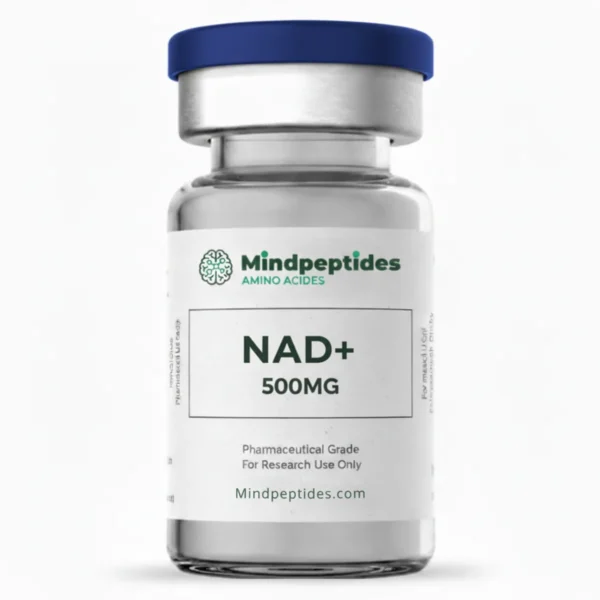
AI Peptides supplies Epithalon as a lyophilized powder which requires proper reconstitution prior to use in assays.
- Solvent: Bacteriostatic water or sterile 0.9% NaCl solution is recommended.
- Procedure: Gently inject the solvent down the side of the vial. Do not shake vigorously. Allow the peptide to dissolve at room temperature or with gentle swirling to avoid destroying the peptide structure.
- Handling: Once reconstituted, keep the vial cold (4°C) if used within days, or freeze at -20°C/-80°C for long-term storage.


Reviews
There are no reviews yet.