





NAD+ Boosting Compounds (NMN / NR Complex)
Cellular Energy & Mitochondrial Research Complex – HPLC Verified
Comprehensive Product Description
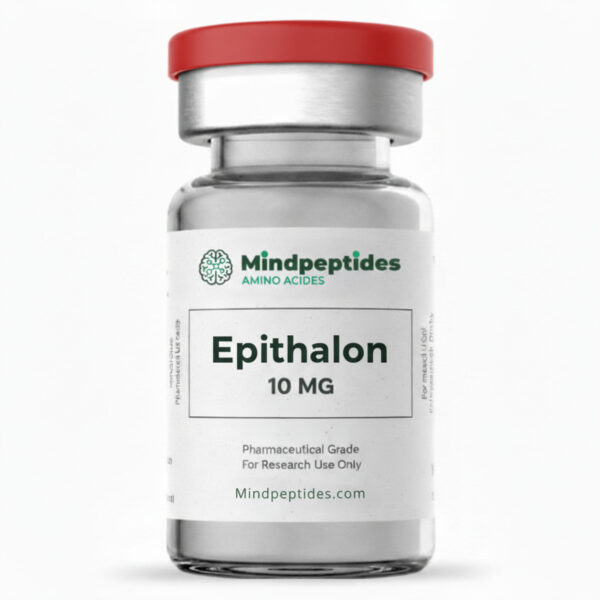
The NAD+ Boosting Compounds complex is a sophisticated research platform developed by Mindpeptides, integrating the two most prominent NAD+ precursors—Nicotinamide Mononucleotide (NMN) and Nicotinamide Riboside (NR)—within a specialized peptide modulation matrix. This formulation is engineered to address the inherent hydrolytic instability of isolated NAD+ intermediates when introduced to liquid culture media. By stabilizing these precursors, the complex facilitates consistent cellular uptake and metabolic conversion.
Unlike single-molecule reagents, this composite model mimics the multifaceted nature of mammalian intracellular NAD+ salvage pathways. The inclusion of bioactive peptide modulators serves to enhance molecular stability and influence receptor-mediated entry processes. This creates a high-fidelity experimental model allowing scientists to examine NAD+-driven redox cycles, oxidative stress management, and energy transduction under controlled laboratory conditions. Each batch undergoes stringent HPLC and Mass Spectrometry validation to guarantee ≥99% purity, ensuring reproducible data in metabolic assays.
Mechanism of Action & Signaling Pathways
NAD+ Biosynthesis & Sirtuin Activation
The primary mechanism centers on the rapid replenishment of the intracellular Nicotinamide Adenine Dinucleotide (NAD+) pool. Upon cellular entry, NMN and NR act as direct substrates for the salvage pathway enzymes, bypassing the rate-limiting step of Nicotinamide Phosphoribosyltransferase (NAMPT). This drives immediate ATP synthesis via the electron transport chain.
Crucially, the elevation of the NAD+/NADH ratio activates Sirtuins (SIRT1–7), a family of NAD+-dependent deacetylases. These enzymes govern gene silencing, circadian rhythms, and mitochondrial biogenesis. Furthermore, the formulation supports Poly (ADP-ribose) polymerase (PARP) activity, a critical component of the DNA damage response (DDR) machinery, facilitating genomic stability under oxidative stress conditions.
Expanded Research Applications
- Mitochondrial Bioenergetics:
Used to assess ATP production rates, respiratory chain function, and the reversal of mitochondrial dysfunction (mitophagy deficits) in senescent cell lines. - Metabolic Signaling:
Applied in adipocyte and myocyte models to study glucose handling, insulin sensitivity signaling pathways, and lipid oxidation rates dependent on redox equilibrium. - Genomic Stability & Aging:
Utilized in longitudinal studies to investigate sirtuin-mediated lifespan extension, DNA repair mechanisms via PARP activation, and chromatin remodeling.
Laboratory Reconstitution Guidelines
Mindpeptides supplies this complex as a lyophilized powder which requires proper reconstitution prior to use in assays. NMN and NR are hygroscopic and sensitive to photodegradation.
- Solvent: Sterile Water or Culture Media (PBS) is recommended.
- Procedure: Gently inject the solvent. Do not shake vigorously. Protect from light immediately during the dissolution process to maintain reagent integrity.
- Handling: Use immediately upon reconstitution or aliquot and freeze at -20°C. Avoid repeated freeze–thaw cycles as this leads to rapid hydrolysis.


Reviews
There are no reviews yet.